Articoli Essenziali per il Tuo Blog Fiorista: Consigli Blog per Fioristi

Starting a blog for your florist business is a smart move. It helps you connect with clients. It shows your expertise. It builds trust. But what should you write about? What topics will engage your readers? What content will set you apart? Here, you find essential articles to include in your blog. These will attract couples planning luxury destination weddings. They will highlight your unique style and skills. They will help you become the go-to florist for unforgettable wedding experiences.
Why You Need Consigli Blog per Fioristi
A florist blog is more than just pretty pictures. It is a tool. A way to share your knowledge. A way to inspire. A way to educate. When you write with purpose, you create value. Couples searching for the perfect wedding florist want guidance. They want ideas. They want reassurance. Your blog can provide all this.
Focus on clear, simple advice. Use short sentences. Repeat key points. This makes your message stick. It also makes your blog easy to read. Remember, your goal is to help couples imagine their dream wedding. Show them how flowers can transform a space. Explain your process. Share tips on flower care and selection.
Here are some consigli blog per fioristi to get you started:
How to choose flowers that match your wedding theme
Seasonal flower guides for destination weddings
Tips for preserving wedding bouquets
Behind-the-scenes of floral design for luxury weddings
How to create floral atmospheres, not just arrangements
These topics build trust. They show your expertise. They invite readers to explore your services.
Quali sono i fiori di tendenza per il 2026?
Knowing the latest trends is crucial. Couples want fresh ideas. They want flowers that feel modern yet timeless. For 2026, expect a mix of classic elegance and bold innovation.
Sustainable blooms: More couples choose eco-friendly flowers. Locally sourced, seasonal, and organic options are popular.
Textured arrangements: Think pampas grass, dried flowers, and wild foliage. These add depth and interest.
Soft pastels and earth tones: Colours like blush pink, sage green, and terracotta dominate. They create a warm, inviting atmosphere.
Statement blooms: Large peonies, garden roses, and orchids make a bold impact. Use them sparingly for maximum effect.
Highlight these trends in your blog. Show examples from your portfolio. Explain how you incorporate them into bespoke designs. This positions you as a florist who understands style and innovation.

Crafting Your Blog Content Strategy
Consistency is key. Plan your posts ahead. Decide on a publishing schedule. Weekly or biweekly works well. Keep your posts focused and practical.
Use a mix of content types:
How-to guides: Step-by-step advice on flower care or arrangement styles.
Inspiration galleries: Photos from recent weddings or styled shoots.
Interviews: Chat with wedding planners, photographers, or past clients.
Seasonal tips: What flowers to choose for each season and why.
FAQs: Answer common questions couples ask about wedding flowers.
Make your posts easy to scan. Use bullet points and numbered lists. Bold important words. Break text into short paragraphs. This improves readability and keeps readers engaged.
Remember to link naturally to your services. For example, mention your articoli del fiorista blog for more detailed advice. This encourages visitors to explore your site further.
Visual Storytelling: The Power of Images
A florist blog must be visual. Flowers are a visual art. Your photos tell a story. They show your style. They evoke emotion.
Use high-quality images. Show close-ups of textures and colours. Include wide shots of venue setups. Capture the atmosphere you create.
Add captions that explain the image. Keep them short and informative. This helps readers connect the visuals with your message.
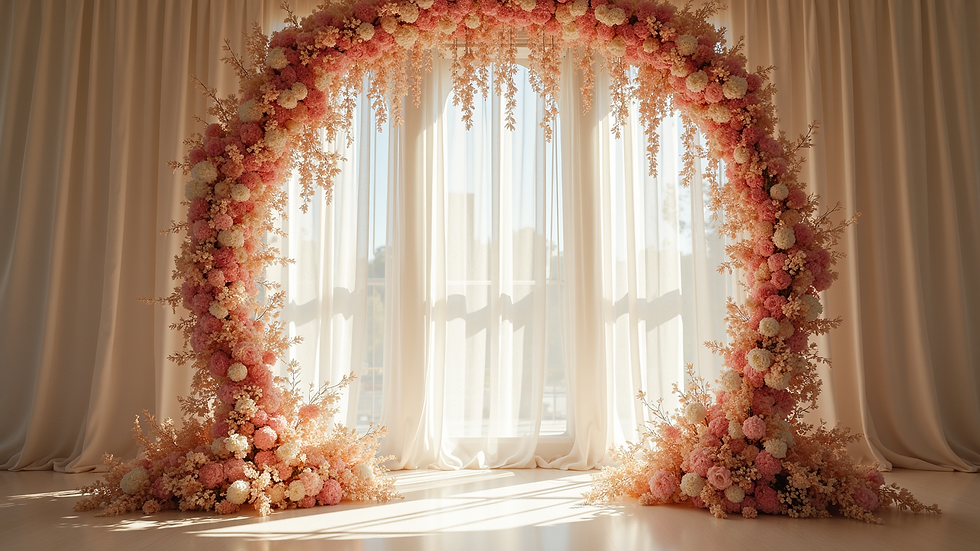
Images break up text. They add interest. They make your blog inviting. Use them wisely.
Engaging Your Audience with Practical Tips
Your readers want actionable advice. Give it to them. Help them make informed decisions.
Here are some practical tips to share:
Choosing the right flowers for the climate: Explain which blooms thrive in different Italian regions or destination locations.
Timing your flower delivery: Advise on when to schedule deliveries to ensure freshness.
Budgeting for floral design: Offer guidance on how to allocate budget for flowers without compromising style.
Flower care before the wedding: Tips on storing bouquets and arrangements to keep them fresh.
Customising floral designs: How to personalise flowers to reflect the couple’s story and venue.
These tips show your expertise. They build confidence. They make your blog a valuable resource.
Building Your Brand Through Your Blog
Your blog is a reflection of your brand. Use it to tell your story. Share your values. Highlight your commitment to quality and detail.
Write in a calm, understated tone. Use simple language. Be clear and direct. This style appeals to couples seeking refined, elegant experiences.
Repeat your key messages. Emphasise your bespoke approach. Show how you create atmospheres, not just arrangements. This sets you apart.
Invite readers to contact you. Offer consultations. Encourage them to follow your blog for ongoing inspiration.
By focusing on these essential articles, you create a blog that attracts the right clients. You build trust and authority. You showcase your unique talents. Your blog becomes a powerful tool in growing your luxury destination wedding florist business.


Comments